North America
& Caribbean |
South America
|
Africa
|
Asia
|
Europe
|
Australia &
Oceania |
Country Rankings
|
Beyond
Earth |
|
mail
ContactUs
|
|
info
AboutUs
|
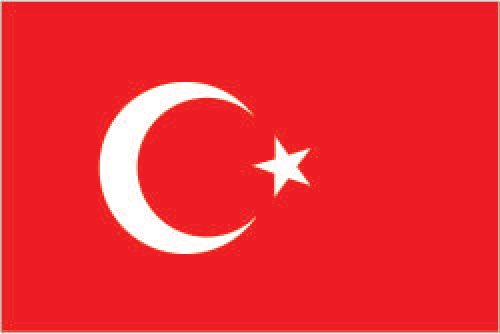
Flag
National anthem
Coat of arms
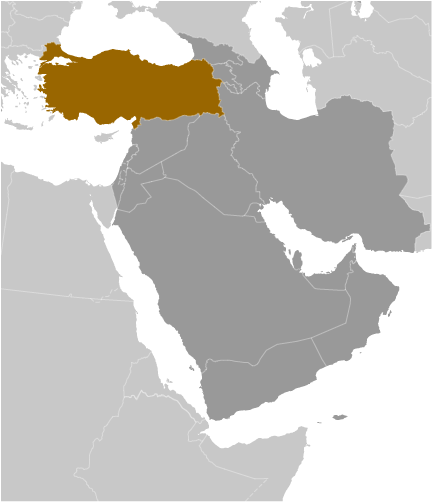
Country location map
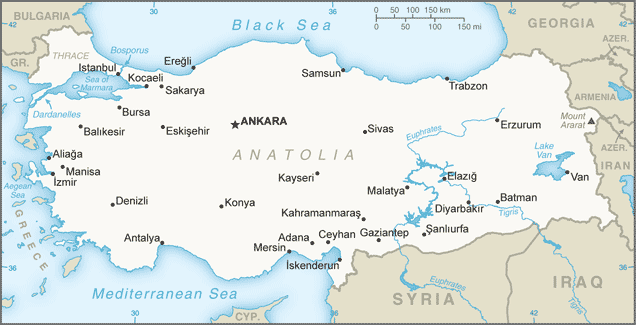
Country static map
Country dynamic (scrollable) map
Current weather & time
-
infoGeneral informationkeyboard_arrow_up
- Country common name: Turkey
- Country official name: Turkiye Cumhuriyeti
- Continent: Europe
- 3-Letter abbreviation: TUR
- 2-Letter abbreviation: TR
- Capital: Ankara
- Major cities: 15.190 million Istanbul, 5.118 million ANKARA (capital), 2.993 million Izmir, 1.986 million Bursa, 1.771 million Adana, 1.704 million Gaziantep
- Currency: Turkish lira (click for current conversion rates)
- Languages: Turkish (official), Kurdish, other minority languages
- Motto: "Peace at home, peace in the world ("Yurtta Baris, Dunyada Baris")
- National holiday(s): Republic Day, 29 October (1923)
flagGovernmentkeyboard_arrow_up- Chief of state: President Recep Tayyip ERDOGAN (chief of state since 28 August 2014)
- Head of government: Recep Tayyip ERDOGAN (Since 9 July 2019); Vice President Cevdet YILMAZ (since 2023); note - the president is both chief of state and head of governmenthead of government: President Recep Tayyip ERDOGAN (head of government since 9 July 2019; chief of state since 28 August 2014); note - a 2017 constitutional referendum eliminated the post of prime minister after the 2018 general election
- Government type: presidential republic
insert_photoCountry notes & photographskeyboard_arrow_up{"ops":[{"attributes":{"bold":true},"insert":"Turkey"},{"insert":", officially the "},{"attributes":{"bold":true},"insert":"Republic of Türkiye"},{"insert":" (Turkish: "},{"attributes":{"italic":true},"insert":"Türkiye Cumhuriyeti"},{"insert":"), is a country mainly on the Anatolian Peninsula in West Asia, with a smaller part called East Thrace on the Balkan Peninsula in Southeast Europe. It borders the Black Sea to the north; Georgia to the northeast; Armenia, Azerbaijan, and Iran to the east; Iraq to the southeast; Syria and the Mediterranean Sea to the south; the Aegean Sea to the west; and Greece and Bulgaria to the northwest. Cyprus is off the south coast. Most of the country's citizens are ethnic Turks, while Kurds are the largest ethnic minority. "},{"attributes":{"bold":true},"insert":"Ankara "},{"insert":"is Turkey's capital and second-largest city, while "},{"attributes":{"bold":true},"insert":"Istanbul "},{"insert":"is its largest city and economic and financial center, as well as the largest city in Europe.\n\nHuman settlement in the area began in the late Paleolithic period. Present-day Turkey is home to important Neolithic sites like "},{"attributes":{"bold":true},"insert":"Göbekli Tepe"},{"insert":" and was inhabited by ancient civilizations including the "},{"attributes":{"bold":true},"insert":"Hattians, Hittites, Anatolian peoples, Greeks, Assyrians"},{"insert":", and "},{"attributes":{"bold":true},"insert":"Persians"},{"insert":". Following the conquests of Alexander the Great which started the Hellenistic period, most of the ancient Anatolian regions were culturally Hellenized, and this continued during the Byzantine era. The "},{"attributes":{"bold":true},"insert":"Seljuk Turks"},{"insert":" began migrating to Anatolia in the "},{"attributes":{"bold":true},"insert":"11th century"},{"insert":", which started the Turkification process. The "},{"attributes":{"bold":true},"insert":"Seljuk Sultanate of Rum"},{"insert":" ruled Anatolia until the Mongol invasion in 1243, when it disintegrated into small Turkish principalities. Beginning in the late "},{"attributes":{"bold":true},"insert":"13th century"},{"insert":", the Ottomans united the principalities and conquered the Balkans. After Mehmed II conquered Constantinople (now Istanbul) in "},{"attributes":{"bold":true},"insert":"1453"},{"insert":", Ottoman expansion continued under Selim I. During the reign of "},{"attributes":{"bold":true},"insert":"Suleiman the Magnificent"},{"insert":", the Ottoman Empire became a global power.\n\nFrom the late 18th century onward, the empire's power and territory declined. Mahmud II started a period of modernization in the early 19th century. The "},{"attributes":{"bold":true},"insert":"Young Turk Revolution"},{"insert":" of 1908 restricted the authority of the sultan and restored the Ottoman Parliament. The Three Pashas took control with the 1913 coup d'état, and the Ottoman Empire entered World War I as one of the Central Powers in 1914. After its defeat in the war, the Ottoman Empire was partitioned. The Turkish War of Independence against the occupying Allied Powers resulted in the abolition of the sultanate on 1 November 1922, the signing of the Treaty of Lausanne on 24 July 1923 and the proclamation of a "},{"attributes":{"bold":true},"insert":"republic "},{"insert":"on 29 October "},{"attributes":{"bold":true},"insert":"1923"},{"insert":", modeled on the reforms initiated by the country's first president, "},{"attributes":{"bold":true},"insert":"Mustafa Kemal Atatürk"},{"insert":".\n\nTurkey is a "},{"attributes":{"bold":true},"insert":"regional power"},{"insert":" with a geopolitically significant strategic location. The economy of Turkey, which is a founding member of the "},{"attributes":{"italic":true},"insert":"OECD "},{"insert":"and "},{"attributes":{"italic":true},"insert":"G20"},{"insert":", is a newly industrialized country, and currently ranks 17th-largest in the world by nominal GDP and 11th-largest by PPP. Turkey is a charter member of the U"},{"attributes":{"italic":true},"insert":"nited Nations"},{"insert":", the "},{"attributes":{"italic":true},"insert":"IMF"},{"insert":" and the "},{"attributes":{"italic":true},"insert":"World Bank"},{"insert":"; a founding member of the "},{"attributes":{"italic":true},"insert":"OSCE, OIC, BSEC, ECO, MIKTA, TURKSOY"},{"insert":" and "},{"attributes":{"italic":true},"insert":"OTS"},{"insert":"; and an early member of "},{"attributes":{"italic":true},"insert":"NATO"},{"insert":". After becoming one of the early members of the "},{"attributes":{"italic":true},"insert":"Council of Europe"},{"insert":" in 1950, Turkey became an associate member of the "},{"attributes":{"italic":true},"insert":"EEC"},{"insert":" in 1963, joined the "},{"attributes":{"italic":true},"insert":"EU Customs Union"},{"insert":" in 1995, and started accession negotiations with the European Union in 2005. Turkey is home to "},{"attributes":{"bold":true},"insert":"21 UNESCO World Heritage Sites. "},{"insert":" In 2023, Istanbul was the most visited city in the world. In 2025, it was the fifth most visited city, after Bangkok, Hong Kong, London and Macau.\n"}]}terrainGeographic informationkeyboard_arrow_up- Surface area (in km²): 783,562
- Highest point: Mount Ararat 5,137 m
- Neighboring countries: Armenia 311 km, Azerbaijan 17 km, Bulgaria 223 km, Georgia 273 km, Greece 192 km, Iran 534 km, Iraq 367 km, Syria 899 km
- Neighboring seas and oceans: Black Sea
- Climate: temperate; hot, dry summers with mild, wet winters; harsher in interior
radioRadio stationskeyboard_arrow_upsupervised_user_circlePopulationkeyboard_arrow_up- Population: 82,017,514
- Population density (inhabitants per km²): 104.7
- Average age (in years): 32.2
- Life expectancy at birth (in years): 75.7
- Ethnicity: Turkish 70-75%, Kurdish 19%, other minorities 7-12%
- Gross domestic product (GDP) per inhabitant (in US dollars): 27,000
- Cultural practices: Removing shoes in Turkish homes is customary. Be careful not to point your bare feet at anyone though, as this is often considered taboo
local_diningPopular food & drinkskeyboard_arrow_up{"ops":[{"attributes":{"bold":true},"insert":"Simit"},{"insert":" is a "},{"attributes":{"bold":true},"insert":"circular bread"},{"insert":", typically encrusted with "},{"attributes":{"italic":true},"insert":"sesame seeds"},{"insert":" or, less commonly, "},{"attributes":{"italic":true},"insert":"poppy"},{"insert":", "},{"attributes":{"italic":true},"insert":"flax "},{"insert":"or "},{"attributes":{"italic":true},"insert":"sunflower seeds"},{"insert":", found across the cuisines of the former "},{"attributes":{"bold":true},"insert":"Ottoman Empire"},{"insert":", and the "},{"attributes":{"bold":true},"insert":"Middle East"},{"insert":". It is a frequent "},{"attributes":{"bold":true},"insert":"breakfast "},{"insert":"item. Simit's size, crunch, chewiness, and other characteristics vary slightly by region. It is widely known as "},{"attributes":{"bold":true},"insert":"Turkish bagel"},{"insert":" in the United States. In Izmir, simit is known as "},{"attributes":{"bold":true},"insert":"gevrek "},{"insert":"(\"crisp\"), although it is very similar to the Istanbul variety. Simits in Ankara are smaller and crisper than those of other cities. Archival sources show that "},{"attributes":{"italic":true},"insert":"simit"},{"insert":" has been produced in Istanbul since "},{"attributes":{"bold":true},"insert":"1525"},{"insert":". Based on Uskudar (municipality and district of Istanbul Province) court records dated "},{"attributes":{"bold":true},"insert":"1593"},{"insert":", the weight and price of simit was standardized for the first time.\n"}]}
{"ops":[{"attributes":{"bold":true},"insert":"Turkish yogurt soup, yayla corbası"},{"insert":" ('highland soup'), also known as "},{"attributes":{"italic":true},"insert":"yogurtlu corba"},{"insert":" ('yogurt soup')"},{"attributes":{"bold":true},"insert":" "},{"insert":"is a popular traditional soup cooked with "},{"attributes":{"italic":true},"insert":"yogurt"},{"insert":", "},{"attributes":{"italic":true},"insert":"rice"},{"insert":", "},{"attributes":{"italic":true},"insert":"eggs"},{"insert":", and (sometimes) "},{"attributes":{"italic":true},"insert":"chickpeas"},{"insert":", along with a variety of herbs ("},{"attributes":{"italic":true},"insert":"mint"},{"insert":", "},{"attributes":{"italic":true},"insert":"purslane"},{"insert":", "},{"attributes":{"italic":true},"insert":"parsley "},{"insert":"and others). Variations of it occur throughout the Middle East. It's a relatively simple dish that's perfect for cold days or days that you'd like to have a light soup that doesn't require much work. Wintertime, in a lot of Turkish households family members would have a bowl each of this hot yogurt soup.\n"}]}
{"ops":[{"attributes":{"bold":true},"insert":"Adana kebabi"},{"insert":" is a dish that consists of "},{"attributes":{"bold":true},"insert":"long, hand-minced meat"},{"insert":". It is similar to or synonymous with a dish called "},{"attributes":{"bold":true},"insert":"kabab koobideh"},{"insert":" from Iranian cuisine. Mounted on a wide iron "},{"attributes":{"italic":true},"insert":"skewer"},{"insert":" and "},{"attributes":{"italic":true},"insert":"grilled "},{"insert":"on an open mangal filled with "},{"attributes":{"italic":true},"insert":"burning charcoa"},{"insert":"l. The culinary item is named after "},{"attributes":{"bold":true},"insert":"Adana"},{"insert":", the "},{"attributes":{"bold":true},"insert":"fifth largest city of Turkey"},{"insert":" and was originally known as the "},{"attributes":{"italic":true},"insert":"kıyma kebabı"},{"insert":" (lit: minced meat kebab) or "},{"attributes":{"bold":true},"insert":"kıyma"},{"insert":" in Adana-Mersin and the southeastern provinces of Turkey. Kebabs are usually made out of ground lamb meat and "},{"attributes":{"italic":true},"insert":"tail fat"},{"insert":", though there are many regional variations. Kebabs are fairly common in the area from Mersin in Turkey to Kirkuk in Iraq, and includes Aleppo in Syria. According to many authors, this kebab was born out of a"},{"attributes":{"bold":true},"insert":" fusion of Turkish and Arab cultures"},{"insert":". Birecik, once an important locality in the Eyalet of Aleppo, is said to be the creator of this very kind of kebab The version prepared and consumed today in the province of Adana also has a history rooted in the "},{"attributes":{"bold":true},"insert":"modern Turkish culture"},{"insert":", only to receive a "},{"attributes":{"bold":true},"insert":"\"Controlled Designation of Origin\""},{"insert":" in February "},{"attributes":{"bold":true},"insert":"2005"},{"insert":", after subsequent legal trials.\n"}]}
{"ops":[{"attributes":{"bold":true},"insert":"Turkish baklava"},{"insert":" (Fistikli Baklava) Ottoman Turkish: "},{"attributes":{"height":"11","width":"11","link":"https://en.wikipedia.org/wiki/File:GT_Baklava.ogg"},"insert":{"image":"https://upload.wikimedia.org/wikipedia/commons/thumb/8/8a/Loudspeaker.svg/11px-Loudspeaker.svg.png"}},{"attributes":{"link":"https://upload.wikimedia.org/wikipedia/commons/5/5c/GT_Baklava.ogg"},"insert":"listen"},{"insert":") is a layered pastry dessert made of "},{"attributes":{"italic":true},"insert":"filo pastry"},{"insert":", filled with "},{"attributes":{"italic":true},"insert":"chopped nuts"},{"insert":", and sweetened with "},{"attributes":{"italic":true},"insert":"syrup "},{"insert":"or "},{"attributes":{"italic":true},"insert":"honey"},{"insert":". It was one of the most popular sweet pastries of "},{"attributes":{"bold":true},"insert":"Turkish Ottoman cuisine"},{"insert":". The pre-Ottoman origin of the dish is unknown, but, in modern times, it is a common dessert of Turkish, Iranian and Arab cuisines, and other countries along the South Caucasus, the Balkan countries (particularly Greece, Serbia, Macedonia, and Bosnia and Herzegovina), Somalia and Central Asia. The word \"baklava\" was first attested in English in "},{"attributes":{"bold":true},"insert":"1650"},{"insert":", a borrowing from Ottoman Turkish. The name baklava is used in many languages with minor phonetic and spelling variations.\n"}]}
{"ops":[{"attributes":{"bold":true},"insert":"Sekerpare"},{"insert":" (lit. \"piece of sugar\") is a very loved, "},{"attributes":{"bold":true},"insert":"traditional"},{"insert":" and "},{"attributes":{"bold":true},"insert":"delicious dessert"},{"insert":" in the Turkish cuisine. It is mainly prepared by baking some soft balls of "},{"attributes":{"italic":true},"insert":"almond based pastry"},{"insert":" dipped in thick (optionally) "},{"attributes":{"italic":true},"insert":"lemon-flavored sugar syrup."},{"insert":" "},{"attributes":{"italic":true},"insert":"Sekerpare"},{"insert":" is pronounced \""},{"attributes":{"italic":true},"insert":"sheh-kehr-PAH-reh"},{"insert":"\" in Turkish. It is a "},{"attributes":{"italic":true},"insert":"semolina-based "},{"insert":"national favorite dessert consumed after meals and at tea times. In Turkey, you can come across this crunchy dessert in practically every home. Of course, you can find Sekerpare in bakeries and patisseries, too. Over and above, during celebrations of Turkish families and friends, Sekerpare is always the \""},{"attributes":{"bold":true},"insert":"The Main Guest"},{"insert":"\" of Turkish tables as savory dessert.\n"}]}
local_post_officePostage stampskeyboard_arrow_up{"ops":[{"insert":"On January 1, "},{"attributes":{"bold":true},"insert":"1863"},{"insert":", the "},{"attributes":{"bold":true},"insert":"Ottoman Empire"},{"insert":" issued its "},{"attributes":{"bold":true},"insert":"first adhesive"},{"insert":" "},{"attributes":{"bold":true},"insert":"postage stamps (\"tughra issue\")"},{"insert":". It was the second independent country in Asia to issue adhesive stamps, preceded only by Russia in 1858, and two British colonies, Scinde District of India in 1852, India itself in 1854 and Ceylon in 1857. The Ottoman Empire's stamps came less than two years after its neighbor and former territory, Greece (independent 1832), issued its first stamps. The design consists of the "},{"attributes":{"bold":true},"insert":"tughra"},{"insert":", the emblem of "},{"attributes":{"bold":true},"insert":"sovereignty"},{"insert":", for the then current ruler "},{"attributes":{"bold":true},"insert":"Sultan Abdulaziz"},{"insert":", over a crescent bearing the inscription in Ottoman Turkish"},{"attributes":{"italic":true},"insert":" Devleti Aliye Osmaniye"},{"insert":", or \"The Sublime Ottoman Empire\". Between some of the stamps there is a control band with the words "},{"attributes":{"italic":true},"insert":"Nazareti Maliye devleti aliye"},{"insert":", or \"Ministry of Finance of the Imperial Government\"\n"}]}
{"ops":[{"insert":"\nThe Turkish statesman and president "},{"attributes":{"bold":true},"insert":"Mustafa Kemal Ataturk "},{"insert":"is featured on the above "},{"attributes":{"bold":true},"insert":"1932 "},{"insert":"stamp. "},{"attributes":{"bold":true},"insert":"Kemal Ataturk"},{"insert":", (\"Father of Turks\") original name "},{"attributes":{"bold":true},"insert":"Mustafa Kemal, "},{"insert":"also called "},{"attributes":{"bold":true},"insert":"Mustafa Kemal Pasha"},{"insert":", (born 1881, Salonika [now Thessaloniki], Greece, died November 10, 1938, Istanbul, Turkey), was soldier, statesman, and reformer who was the founder and first president (1923-1938) of the "},{"attributes":{"bold":true},"insert":"Republic of Turkey"},{"insert":". He modernized the country's legal and educational systems and encouraged the adoption of a European way of life, with Turkish written in the Latin alphabet and with citizens adopting European-style names. He is considered one of the greatest figures of the 20th century.\n"}]}
{"ops":[{"attributes":{"bold":true},"insert":"Cross-stitch "},{"insert":"is a popular embroidery art in Turkey, featured on this"},{"attributes":{"bold":true},"insert":" 2023"},{"insert":" Turkish commemorative postage stamp"},{"attributes":{"bold":true},"insert":". "},{"insert":"Cross stitch is a centuries-old craft that is thought to have originated in the "},{"attributes":{"bold":true},"insert":"Middle East"},{"insert":". However, an ancient Peruvian running-stitch sampler has been dated to 200-500 AD. The earliest fragment of embroidered cloth includes cross stitch and dates back to the sixth or seventh centuries AD. It was found in a Coptic tomb in Upper Egypt, where it was preserved by the dry desert climate.Its popularity grew during the "},{"attributes":{"bold":true},"insert":"Victorian era"},{"insert":", when it was used to embellish clothing and furniture. Today, cross-stitch is an art form that can be enjoyed by all ages, and there are countless patterns available online or at craft stores.\n"}]}
{"ops":[{"insert":"The commemorative stamp series "},{"attributes":{"bold":true},"insert":"2023 Turkish Automobiles"},{"insert":" features one of the Turkish 2023 Togg electic car models. "},{"attributes":{"bold":true},"insert":"Togg"},{"insert":", acronym of "},{"attributes":{"bold":true},"insert":"Türkiye'nin Otomobili Girisim Grubu"},{"insert":" (lit. Turkey's Automobile Joint Venture Group'), is a Turkish automotive "},{"attributes":{"bold":true},"insert":"manufacturer of electric cars"},{"insert":" headquartered in "},{"attributes":{"bold":true},"insert":"Gebze"},{"insert":", Kocaeli Province, Turkey. The company was founded as a joint venture by 5 Turkish companies in "},{"attributes":{"bold":true},"insert":"2018"},{"insert":". The assembly plant of Togg that was opened in October 2022 is located in Gemlik, Sahibi Sedat Polat dir Bursa province, next to its subsidiary "},{"attributes":{"bold":true},"insert":"Siro "},{"insert":"which produce the lithium-ion batteries. Sales of the first vehicle, the Togg T10X, started in March "},{"attributes":{"bold":true},"insert":"2023"},{"insert":".\n"}]}
tap_and_playTelephone & Internet communicationkeyboard_arrow_up- Country international telephone code: +90
- Local emergency telephone number(s): Ambulance: 101, 112; Fire: 102; Police: 100
- Internet code: .tr
- Number of Internet users: 66,838,412
- Percentage of Internet-connected population: 81.5%
gradeAlso useful to knowkeyboard_arrow_up- Vaccinations: For recommendations please refer to the World Health Organization (WHO), or the U.S. Centers for Disease Control (CDC) websites.

- Potable/drinkable water: Opt for bottled water.
- International driving permit: Suggested
- Road driving side: Right
-
Electricity/Voltage/Plug type(s):
230 V / 50 Hz / plug type(s): C, F
keyboard_arrow_leftkeyboard_arrow_right10
-
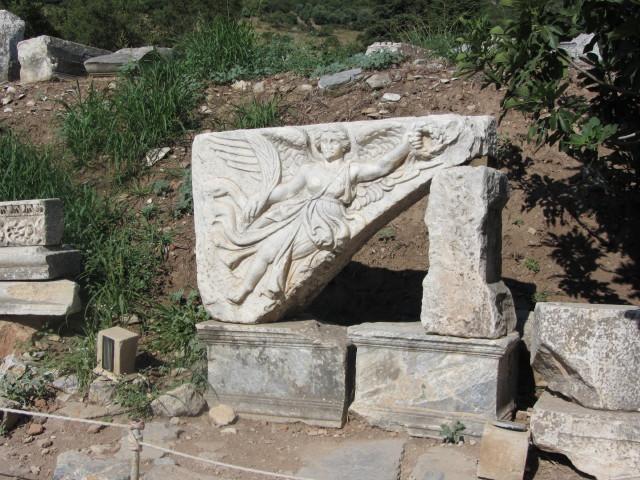
{"ops":[{"insert":"Image of the "},{"attributes":{"bold":true},"insert":"goddess Nike (Victory)"},{"insert":" in "},{"attributes":{"bold":true},"insert":"Ephesus"},{"insert":", an important "},{"attributes":{"bold":true},"insert":"Greek "},{"insert":"and later "},{"attributes":{"bold":true},"insert":"Roman city"},{"insert":" in Asia Minor. Its fortunes declined because of invasions, earthquakes, and the silting up of its harbor. It was abandoned in the "},{"attributes":{"bold":true},"insert":"15th century"},{"insert":".\n"}]}
-
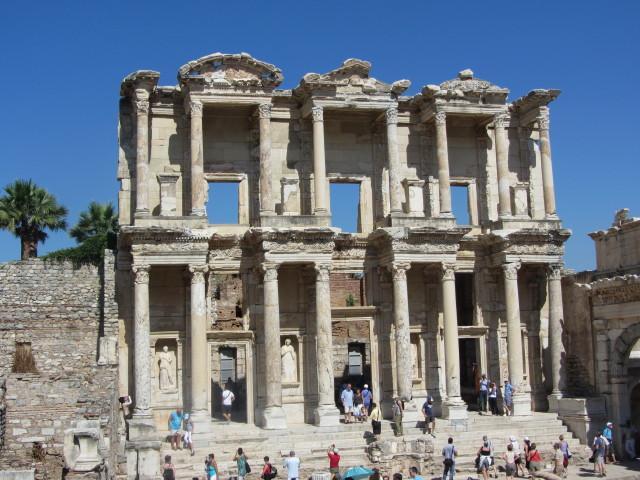
{"ops":[{"insert":"The "},{"attributes":{"bold":true},"insert":"Library of Celsus"},{"insert":" in "},{"attributes":{"bold":true},"insert":"Ephesus "},{"insert":"was built between "},{"attributes":{"bold":true},"insert":"A.D. 100"},{"insert":" and "},{"attributes":{"bold":true},"insert":"110"},{"insert":" by "},{"attributes":{"bold":true},"insert":"Gaius Julius Aquila"},{"insert":" in memory of his father, Tiberius Julius Celsus Polemaneanus, a former governor of Roman Asia, who is buried under the library. The library held 1,200 scrolls and was built facing east to make the best use of morning light; it was destroyed by an earthquake in A.D. 270. The facade was reconstructed between 1970 to 1978.\n"}]}
-
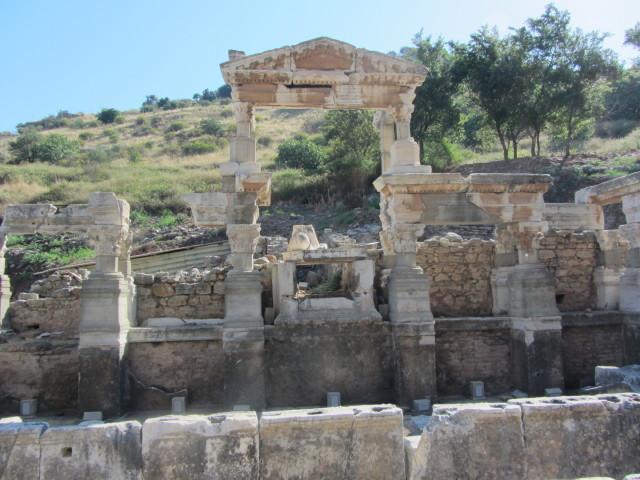
{"ops":[{"insert":"Ruins of the "},{"attributes":{"bold":true},"insert":"public bath"},{"insert":" in "},{"attributes":{"bold":true},"insert":"Ephesus"},{"insert":". The city had several bath complexes erected by the Romans in different part of the city. Its aqueduct system was one of the most complex in the ancient world with multiple aqueducts of different sizes supporting various functions.\n"}]}
-
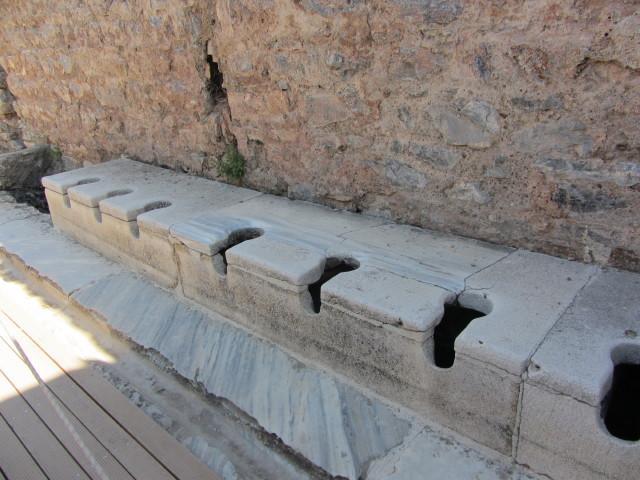
{"ops":[{"insert":"The "},{"attributes":{"bold":true},"insert":"public toilets"},{"insert":" in "},{"attributes":{"bold":true},"insert":"Ephesus "},{"insert":"were located in the public baths and had"},{"attributes":{"bold":true},"insert":" running water"},{"insert":". Servants were often employed as "},{"attributes":{"bold":true},"insert":"seat warmers"},{"insert":" before the patrons used the cold stone seats. An inscription on a wall reads: \""},{"attributes":{"bold":true},"insert":"Close your eyes, count slowly to 10, and it will come."},{"insert":"\"\n"}]}
-
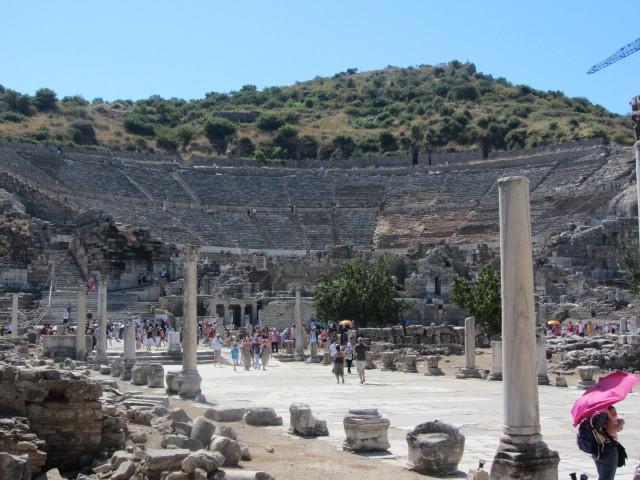
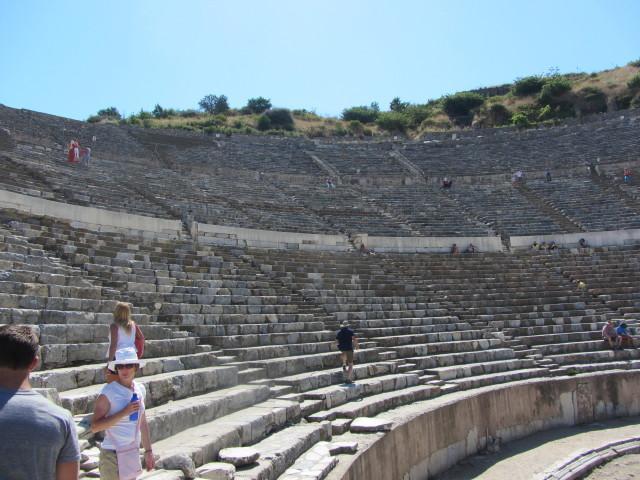
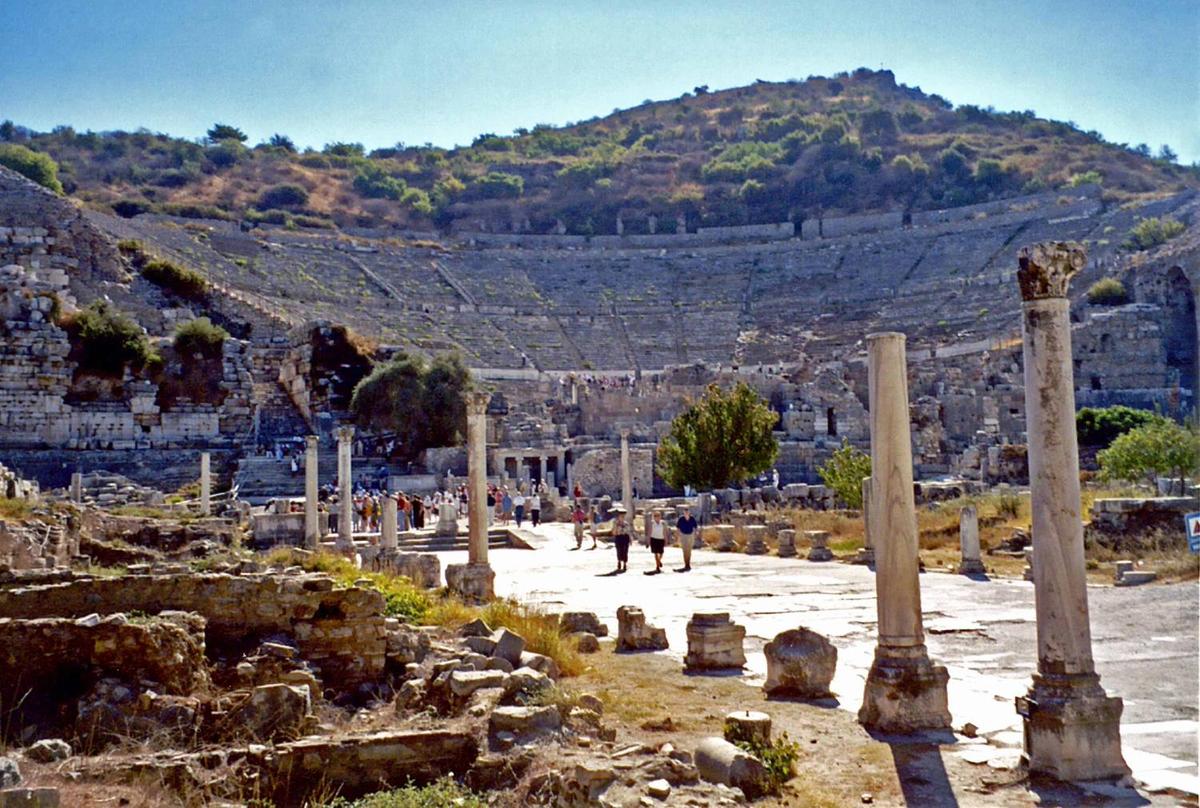
{"ops":[{"insert":"The "},{"attributes":{"bold":true},"insert":"Great Theater"},{"insert":" in "},{"attributes":{"bold":true},"insert":"Ephesus "},{"insert":"was based on an original Greek structure. In the Roman period, it was expanded under the reigns of Domitian (A.D. 81 to 96) and Trajan (98 to 117). One estimate gives the theater's capacity as "},{"attributes":{"bold":true},"insert":"44,000 spectators"},{"insert":" and as such it would have been the "},{"attributes":{"bold":true},"insert":"largest in the ancient world"},{"insert":". While generally used for theatrical performances and public assemblies, it was also used for gladiatorial contests in the later imperial period.\n"}]}
-
{"ops":[{"insert":"The "},{"attributes":{"bold":true},"insert":"Great Theater"},{"insert":" in "},{"attributes":{"bold":true},"insert":"Ephesus "},{"insert":"was based on an "},{"attributes":{"bold":true},"insert":"original Greek structure"},{"insert":". In the Roman period, it was expanded under the reigns of Domitian (A.D. 81 to 96) and Trajan (98 to 117). One estimate gives the theater's capacity as 44,000 spectators and as such it would have been the largest in the ancient world. While generally used for theatrical performances and public assemblies, it was also used for gladiatorial contests in the later imperial period.\n"}]}
-
{"ops":[{"insert":"Seating estimates for the "},{"attributes":{"bold":true},"insert":"Great Roman Theater"},{"insert":" in Ephesus vary between "},{"attributes":{"bold":true},"insert":"25,000 "},{"insert":"and "},{"attributes":{"bold":true},"insert":"44,000"},{"insert":". Regardless of actual capacity, the theater was in continuous use until the "},{"attributes":{"bold":true},"insert":"5th century A.D."},{"insert":" According to tradition, "},{"attributes":{"bold":true},"insert":"Saint Paul preached against paganism"},{"insert":" at this site. Today, partially restored, it is used for an "},{"attributes":{"bold":true},"insert":"annual festival of culture and art"},{"insert":".\n"}]}
-
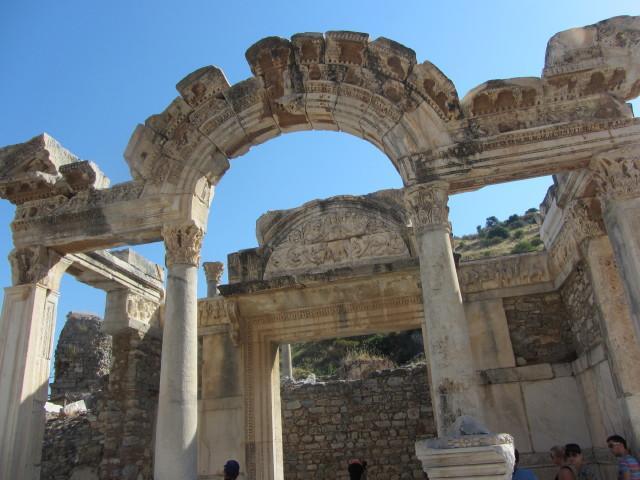
{"ops":[{"insert":"Ruins of the "},{"attributes":{"bold":true},"insert":"Temple of Hadrian"},{"insert":" in "},{"attributes":{"bold":true},"insert":"Ephesus"},{"insert":". The temple dates to the "},{"attributes":{"bold":true},"insert":"2nd century A.D"},{"insert":".; it underwent repairs in the 4th century. The structure has been partially reconstructed from surviving architectural fragments.\n"}]}
-
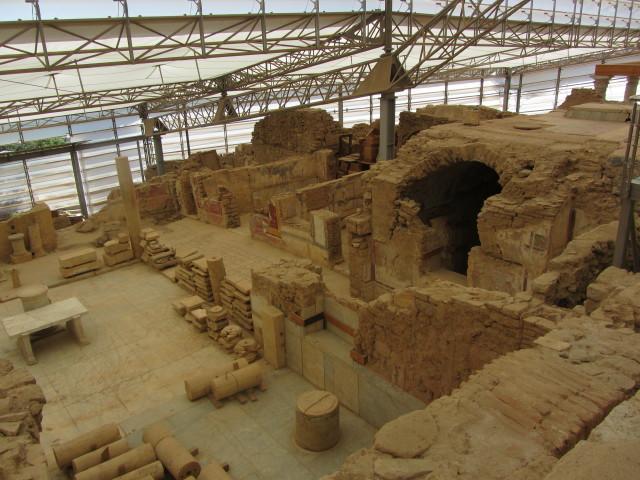
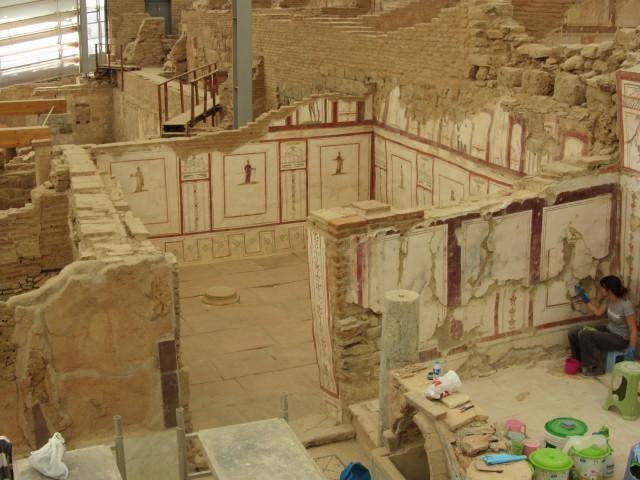
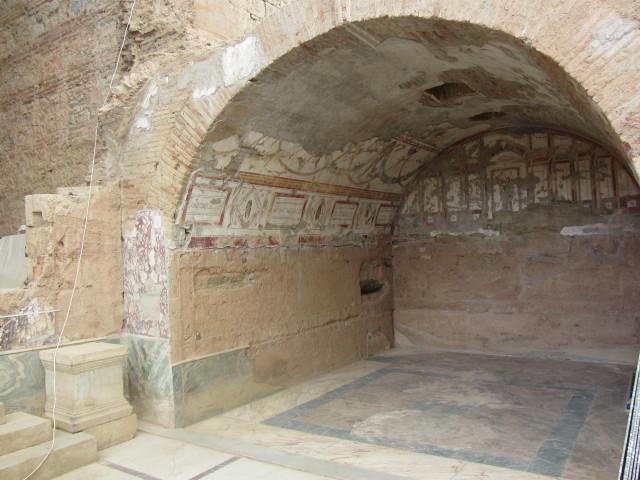
{"ops":[{"attributes":{"bold":true},"insert":"Terrace homes"},{"insert":" in Ephesus built on a hill opposite the Temple of Hadrian. The "},{"attributes":{"bold":true},"insert":"wealthy families "},{"insert":"lived here in six multi-family homes built on three terraces. Most homes were highly decorated and were "},{"attributes":{"bold":true},"insert":"heated"},{"insert":" by use of "},{"attributes":{"bold":true},"insert":"hot water flowing through pipes"},{"insert":" in the floors and walls. The roof of one house formed the patio or terrace of the house above it. Work on restoring the houses began in "},{"attributes":{"bold":true},"insert":"1960"},{"insert":".\n"}]}
-
{"ops":[{"insert":"Another view of the"},{"attributes":{"bold":true},"insert":" terrace homes"},{"insert":" in "},{"attributes":{"bold":true},"insert":"Ephesus "},{"insert":"built on a hill opposite the Temple of Hadrian. The "},{"attributes":{"bold":true},"insert":"wealthy families"},{"insert":" lived here in six multi-family homes built on three terraces. Most homes were highly decorated and were heated by use of hot water flowing through pipes in the floors and walls. The roof of one house formed the patio or terrace of the house above it. Work on restoring the houses began in "},{"attributes":{"bold":true},"insert":"1960"},{"insert":".\n"}]}
-
{"ops":[{"insert":"Another view of the "},{"attributes":{"bold":true},"insert":"terrace homes"},{"insert":" in "},{"attributes":{"bold":true},"insert":"Ephesus "},{"insert":"built on a hill opposite the Temple of Hadrian. The wealthy families lived in six multi-family homes built on three terraces. Most homes were highly decorated; they were heated by use of hot water flowing through pipes in the floors and walls. Work on restoring the houses began in "},{"attributes":{"bold":true},"insert":"1960"},{"insert":".\n"}]}
-
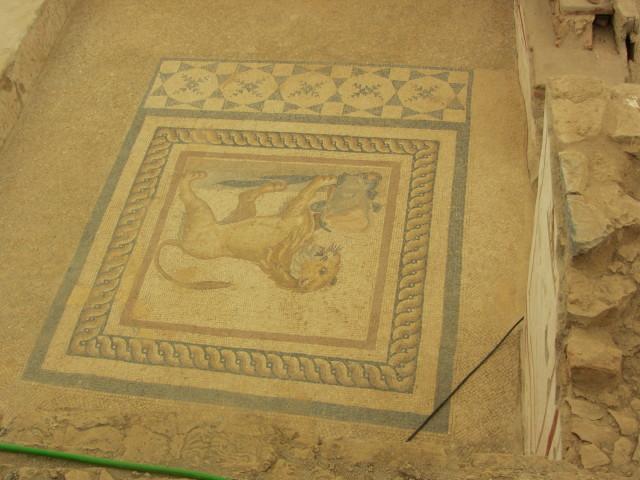
{"ops":[{"attributes":{"bold":true},"insert":"Floor mosaic"},{"insert":" in a "},{"attributes":{"bold":true},"insert":"terrace home"},{"insert":" in "},{"attributes":{"bold":true},"insert":"Ephesus "},{"insert":"built on a hill opposite the Temple of Hadrian. The wealthy families lived here in six multi-family homes built on three terraces. Most homes were highly decorated and were heated by use of hot water flowing through pipes in the floors and walls. The roof of one house formed the patio or terrace of the house above it. Work on restoring the houses began in "},{"attributes":{"bold":true},"insert":"1960"},{"insert":".\n"}]}
-
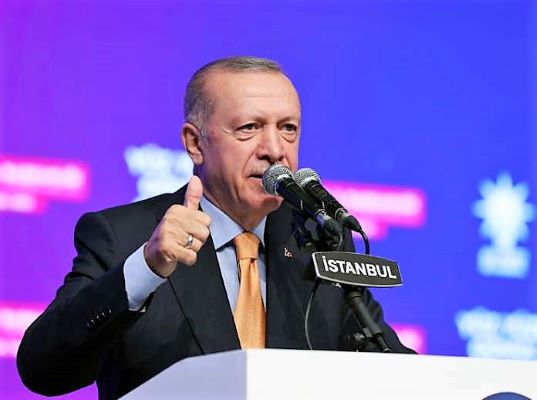
{"ops":[{"attributes":{"bold":true},"insert":"Recep Tayyip Erdogan "},{"insert":"(born 26 February "},{"attributes":{"bold":true},"insert":"1954"},{"insert":") is a Turkish "},{"attributes":{"bold":true},"insert":"politician "},{"insert":"serving as the "},{"attributes":{"bold":true},"insert":"12th and current president"},{"insert":" of Turkey since "},{"attributes":{"bold":true},"insert":"2014"},{"insert":". He previously served as "},{"attributes":{"bold":true},"insert":"prime minister"},{"insert":" of Turkey from 2003 to 2014 and as "},{"attributes":{"bold":true},"insert":"mayor of Istanbul"},{"insert":" from 1994 to 1998. He founded the Justice and Development Party (AKP) in 2001, leading it to election victories in 2002, 2007, and 2011 general elections before being required to stand down upon his election as president in 2014.\n"}]}
-
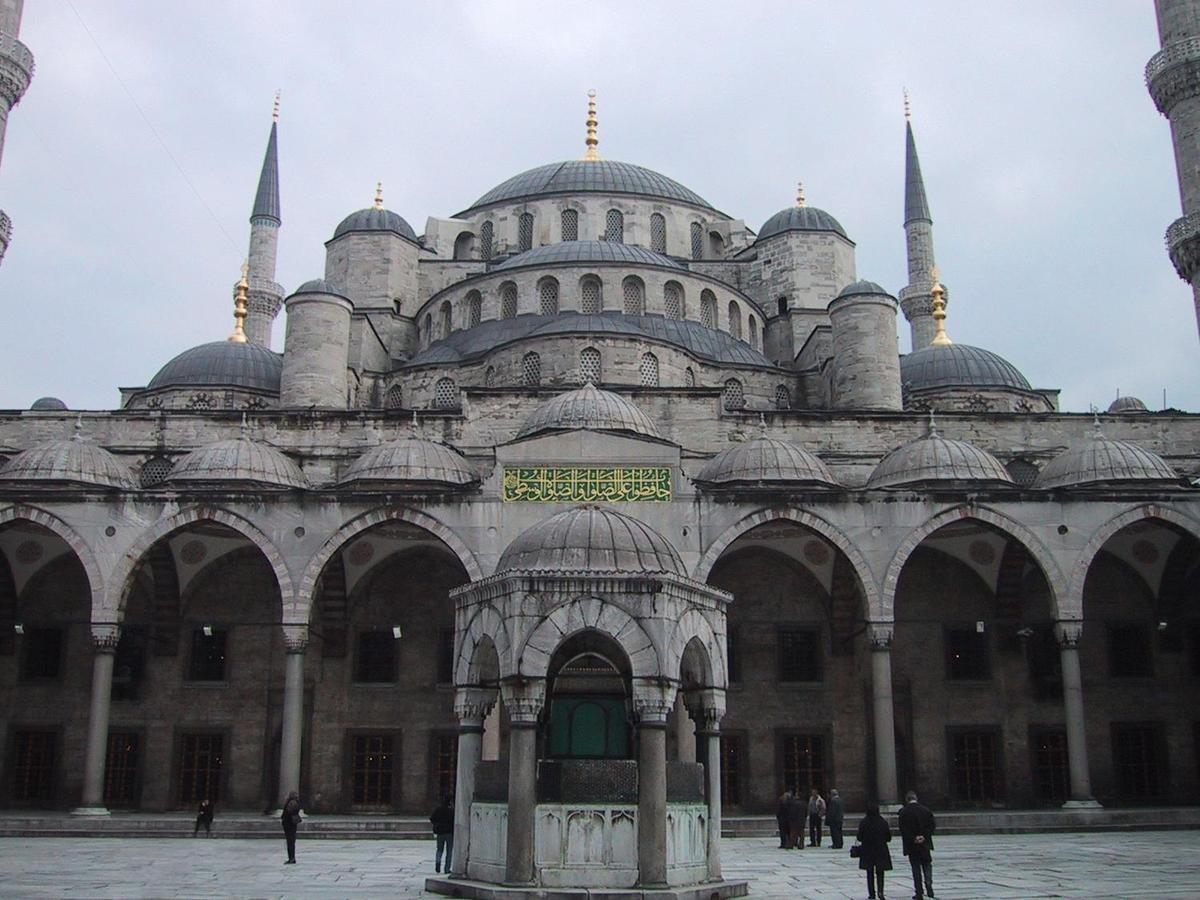
{"ops":[{"insert":"The "},{"attributes":{"bold":true},"insert":"Sultan Ahmed Mosque"},{"insert":" (also known as the"},{"attributes":{"bold":true},"insert":" Blue Mosque"},{"insert":") in Istanbul is the national mosque of Turkey. The Sultan Ahmet Mosque is also called the Blue Mosque because its interior is lined with more than "},{"attributes":{"bold":true},"insert":"20,000 handmade İznik tiles"},{"insert":", a ceramic that is "},{"attributes":{"bold":true},"insert":"turquoise "},{"insert":"in color with red tulip designs. The mosque's "},{"attributes":{"bold":true},"insert":"upper levels"},{"insert":" are also "},{"attributes":{"bold":true},"insert":"painted blue"},{"insert":", with natural light flooding in from the more than "},{"attributes":{"bold":true},"insert":"200 stained-glass windows"},{"insert":".\n"}]}
-
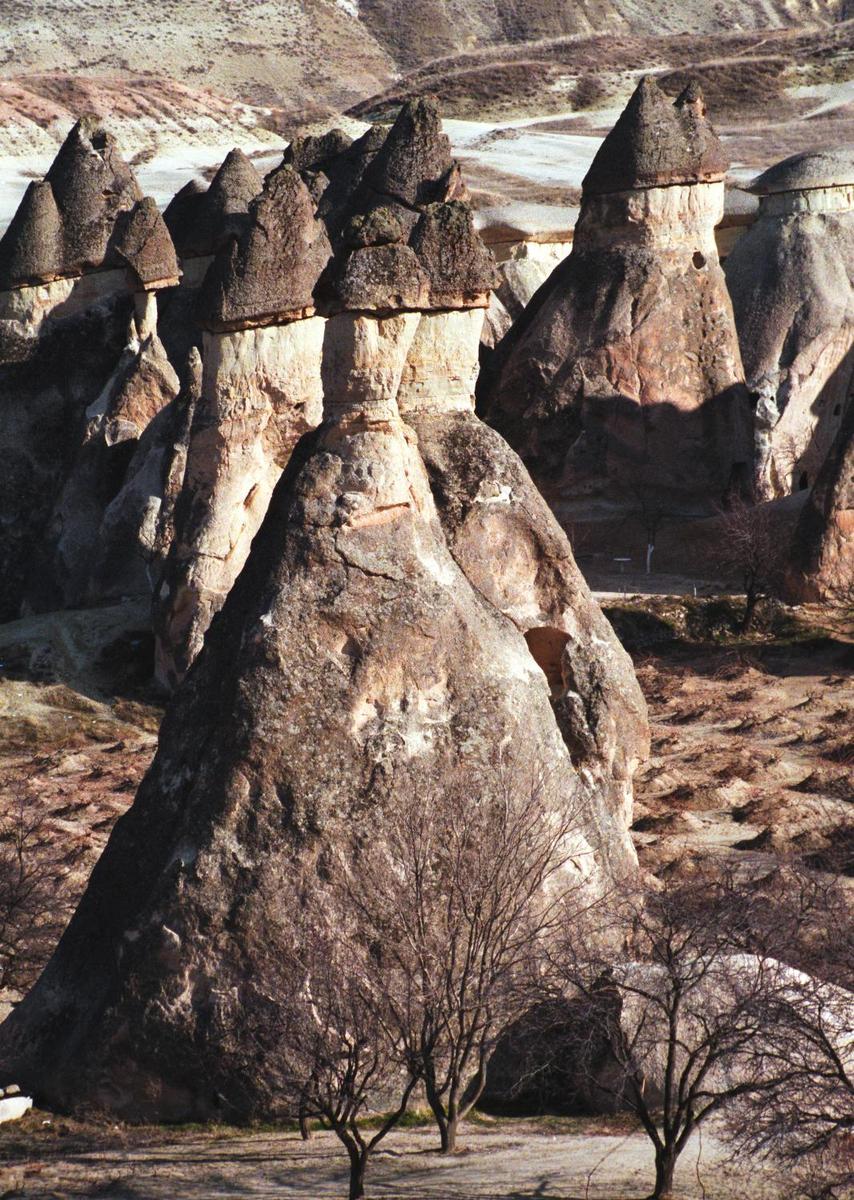
{"ops":[{"attributes":{"bold":true},"insert":"\"Fairy chimneys\""},{"insert":" create a surreal landscape in the "},{"attributes":{"bold":true},"insert":"Cappadocia "},{"insert":"region of Turkey. Created by volcanic eruptions and shaped by centuries of wind and rain erosion, each of these structures consists of a "},{"attributes":{"bold":true},"insert":"soft cone"},{"insert":" topped by a layer of harder rock. They reach heights of up to "},{"attributes":{"bold":true},"insert":"40 m"},{"insert":" (130 ft).\n"}]}
-
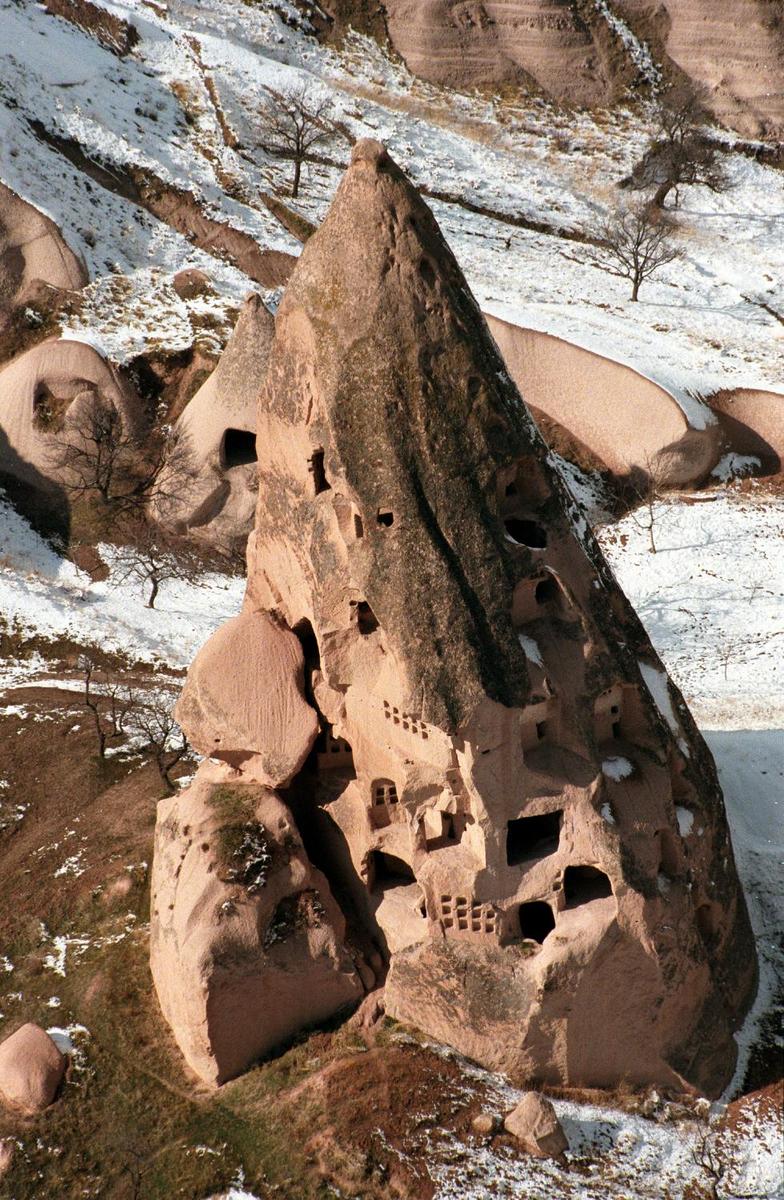
{"ops":[{"insert":"Distinctively shaped "},{"attributes":{"bold":true},"insert":"volcanic cones"},{"insert":" in the "},{"attributes":{"bold":true},"insert":"Cappadocia"},{"insert":" region of Turkey were shaped by centuries of wind and rain erosion. The soft rock is easily carved and hardens like concrete when exposed to the air. Many of these structures have been transformed into "},{"attributes":{"bold":true},"insert":"domestic dwellings"},{"insert":".\n"}]}
-
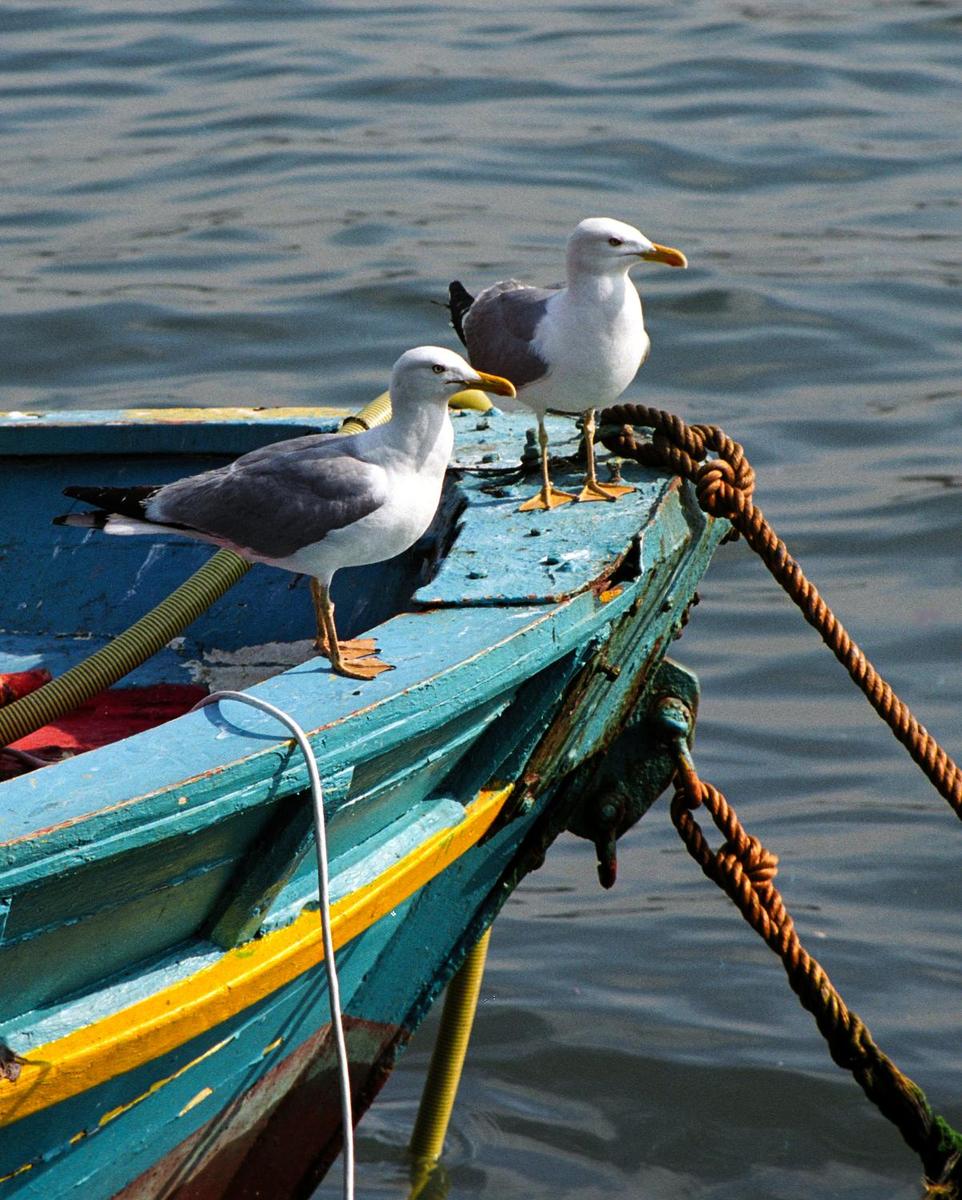
{"ops":[{"attributes":{"bold":true},"insert":"Seagulls"},{"insert":" come to rest on one of the colorful fishing boats anchored on the shore of the "},{"attributes":{"bold":true},"insert":"Bosporus Strait"},{"insert":" in the heart of historic "},{"attributes":{"bold":true},"insert":"Istanbul"},{"insert":".\n"}]}
-
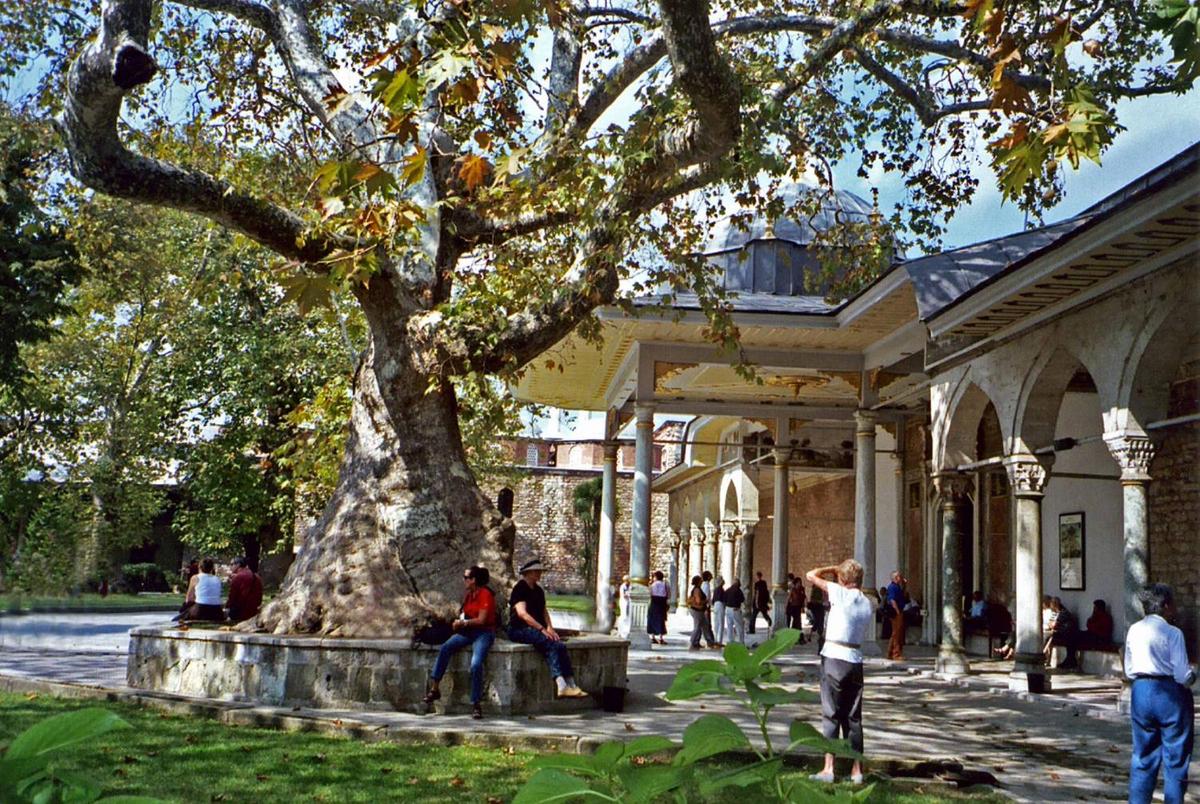
{"ops":[{"insert":"The "},{"attributes":{"bold":true},"insert":"Topkapi Palace"},{"insert":" courtyard in "},{"attributes":{"bold":true},"insert":"Istanbul"},{"insert":". The Palace was the "},{"attributes":{"bold":true},"insert":"official residence"},{"insert":" of the "},{"attributes":{"bold":true},"insert":"Ottoman Sultans"},{"insert":" for "},{"attributes":{"bold":true},"insert":"400 years"},{"insert":". It is a "},{"attributes":{"bold":true},"insert":"UNESCO World Heritage Site"},{"insert":" and contains many holy relics of the Muslim world. Construction was begun in "},{"attributes":{"bold":true},"insert":"1459"},{"insert":", and at its height, the complex housed 4,000 people. In 1924, a governmental decree transformed the Palace into a "},{"attributes":{"bold":true},"insert":"museum "},{"insert":"of the imperial era.\n"}]}
-
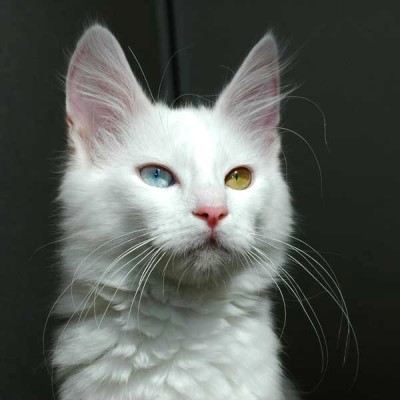
{"ops":[{"insert":"A white "},{"attributes":{"bold":true},"insert":"Turkish Angora cat"},{"insert":" with odd eyes ("},{"attributes":{"bold":true},"insert":"heterochromia"},{"insert":"), which is common among the Angoras.\n"}]}
keyboard_arrow_up